

TL;DR
- Most people evaluate security systems by camera resolution, cloud storage, or the number of sensors included. None of those metrics determine whether your system protects you when it counts.
- The only metric that matters is the “time gap,” the delay between when an incident begins and when someone who can help knows about it.
- Across home security, construction site monitoring, and commercial protection, the time gap is where systems succeed or fail. A fire that’s detected in 10 seconds has a different outcome than one detected in 10 minutes. An intrusion reported in real time has a different outcome than one discovered the next morning.
- Cellular-based systems with instant automated alerts and tamper-proof hardware produce the shortest time gaps available. WiFi-dependent cameras with subscription-gated features produce some of the longest.
The Metric Nobody Talks About
When people shop for a home security system, they compare features.
- Camera resolution.
- Field of view.
- Night vision quality.
- How many days of cloud storage the subscription includes.
- Whether the app has a clean interface.
However, none of those features answer the question that determines whether the system protects you or not:
How much time passes between when something goes wrong and when someone who can respond knows about it?
That gap, from incident to awareness, is the single variable that separates a prevented crime from a completed one.
A survivable fire from a total loss or a close call from a tragedy.
Security professionals call it the “time gap.”
And it is the metric that most homeowners, business owners, and construction site managers never think about until it’s too late.
What the Time Gap Looks Like in Practice
The time gap isn’t theoretical.
It shows up in every security failure, across every setting.
Scenario 1: Home Intrusion, Self-Monitored Camera
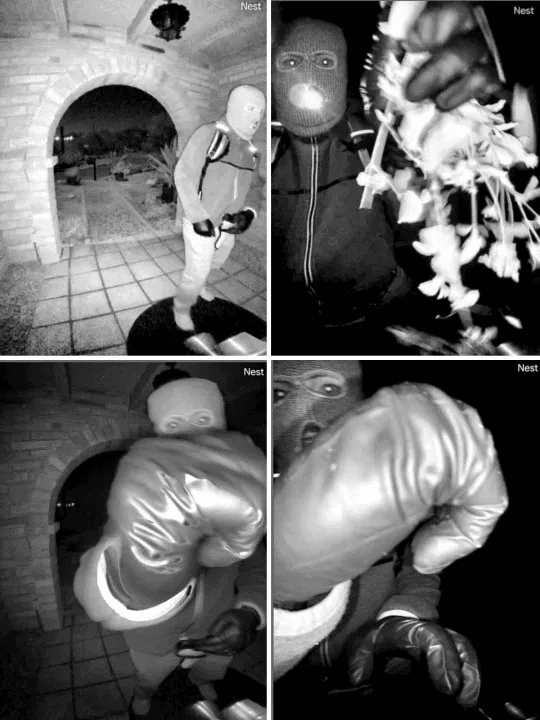
An intruder approaches a home at 2 am. The WiFi camera detects motion and sends a push notification to the homeowner’s phone. The homeowner is asleep. The phone is on silent. The intruder removes the doorbell camera, enters the home, and leaves within 8 to 10 minutes (the average duration of a residential burglary, according to the FBI).
The homeowner sees the notification at 6:30 am. The time gap: 4.5 hours.
We recently highlighted this scenario in our blog delving into the Nancy Guthrie abduction situation.
Scenario 2: Home Intrusion, Cellular Alarm with Professional Monitoring
An intruder approaches the same home. The cellular alarm system detects motion. The system transmits an alert over the cellular network in under a second. The monitoring center receives the signal, verifies the event, and dispatches police. Total time from detection to dispatch: under 60 seconds.
The time gap: seconds.
Scenario 3: Construction Site Fire, Perimeter Camera Only
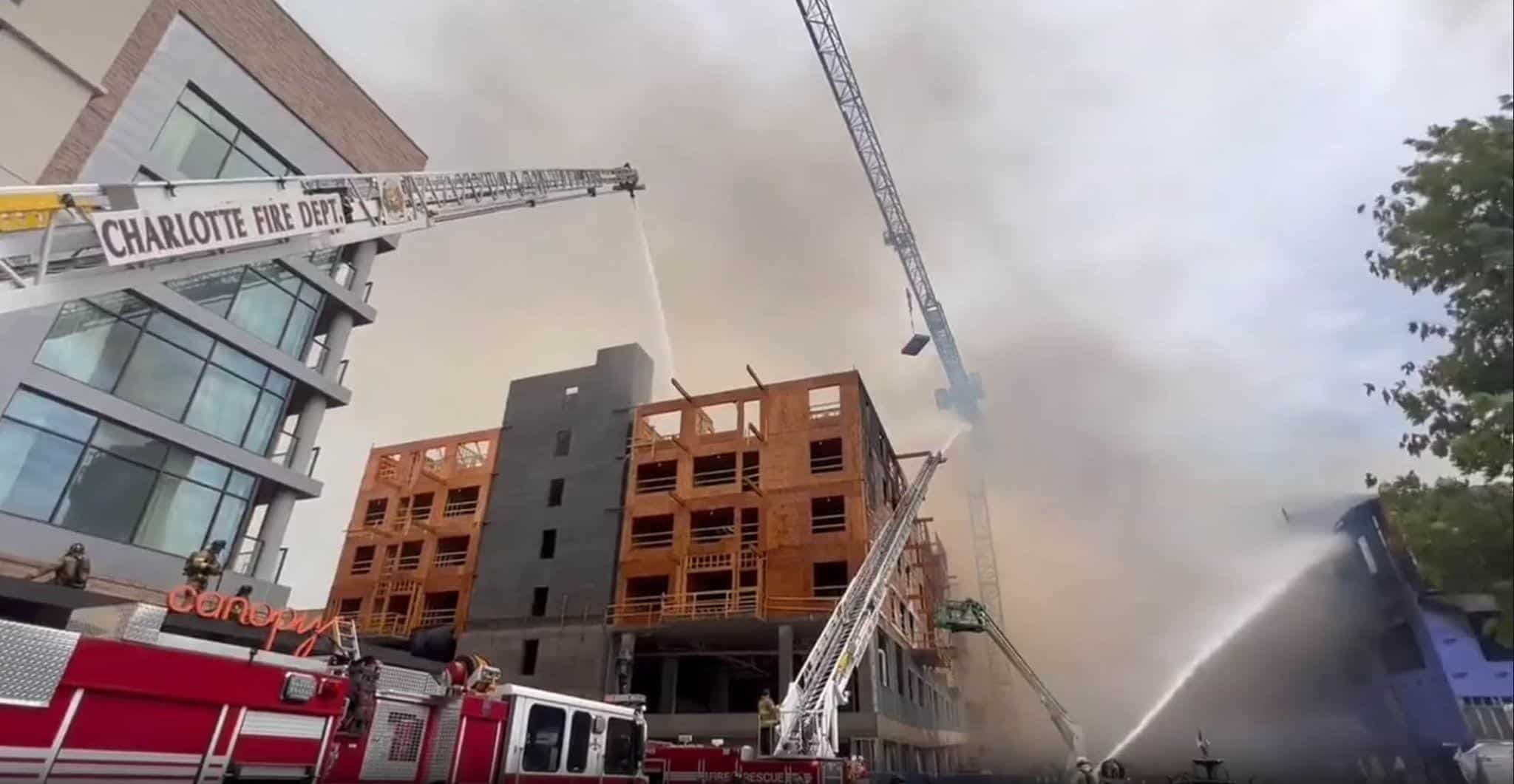
A piece of equipment overheats inside an unfinished building at 11 p.m. on a Saturday. The fire starts on the ground floor. Perimeter cameras are pointed at the fence line. No one is monitoring the feed overnight. The fire burns through multiple floors before flames become visible from the outside. A passerby calls 911 at 1:15 am.
The time gap: over 2 hours.
This exact reality played out in tragic circumstances in Charlotte. Read about it HERE.
Scenario 4: Construction Site Fire, Embedded Heat Sensors + Cellular Alert
The same equipment overheats. A wireless rate-of-rise heat sensor inside the structure detects a rapid temperature increase within seconds. The sensor transmits a cellular alert to the site manager and the monitoring service. The monitoring service pulls up the nearest camera for visual confirmation and dispatches fire services.
The time gap: seconds.
The technology is different in each scenario. The outcome is determined by the same variable.
Why the Time Gap Compounds
A short time gap doesn’t just mean faster response. It means the entire chain of consequences changes.
Fire doubles in size every 30 to 60 seconds in its early stages. A fire detected at 30 seconds old is a different event than one detected at 5 minutes old. At 30 seconds, a single extinguisher or a sprinkler activation can contain it. At 5 minutes, you need a full fire department response, and structural damage is already significant.
Burglaries follow a similar curve. The average home break-in lasts 8 to 10 minutes. If police are dispatched within 60 seconds of detection, there is a realistic chance of intervention or apprehension. If the homeowner doesn’t see the notification until hours later, the intruder is long gone. Recovery rates drop. Evidence degrades. The trail goes cold.
According to research from Harvard University cited by RapidSOS, the average response time for a home security alarm, measured from when the alarm triggers to when police arrive on scene, exceeds 36 minutes. That number includes the time the monitoring center takes to verify the alarm, contact the homeowner, confirm it’s not a false alarm, and then notify police. Then add the travel time for officers to arrive.
36 minutes. The average burglary takes less than 10.
The math doesn’t work in the homeowner’s favor. And that’s assuming the system detected the event immediately.
If the camera had no subscription, or the WiFi was down, or the homeowner was asleep, the time gap starts even earlier and stretches even longer.
What Creates a Long Time Gap?
Most of the technology choices that create long time gaps are invisible to the buyer at the point of purchase.
Nobody reads the spec sheet and thinks “this system will take 10 hours to notify me of a break-in.” But the architecture of the system determines the gap.
Subscription-gated alerts. If your camera requires a paid subscription to store footage or send detailed alerts, and you don’t have that subscription active, the system doesn’t record. The only alert you receive is a generic motion notification, if you receive anything at all. As the Guthrie case in Arizona demonstrated earlier this year, a camera with no active subscription can detect a person and store nothing.
WiFi dependency. If the system communicates over WiFi and the internet goes down, whether from a storm, a power outage, or deliberate disruption, the system goes silent. No alerts leave the building. The time gap doesn’t start when the incident happens. It starts when someone physically discovers the aftermath.
Human-dependent monitoring. Self-monitoring means the homeowner is the monitoring center. The time gap is determined by how fast the homeowner sees the notification and takes action. At 2 pm on a Tuesday, that might be seconds. At 2 am on a Saturday, it might be hours.
Verification delays. Even with professional monitoring, most alarm companies follow a protocol: alarm triggers, monitoring center calls the homeowner, homeowner doesn’t answer, monitoring center calls backup contacts, no one answers, then police are dispatched. That sequence adds minutes. According to SafeHome.org, the best monitoring centers dispatch within 30 to 45 seconds. Others take significantly longer. And for more than 40% of residents in U.S. cities with populations over 50,000, police will not guarantee a response to an unverified alarm call.
Each of these factors adds time. Stack two or three together and the gap can stretch from seconds to hours.
What Produces the Shortest Time Gap?
The shortest possible time gap comes from a system with three characteristics:
- Detection that doesn’t depend on line of sight.
A camera needs to see something to detect it. A sensor doesn’t. Rate-of-rise heat detectors respond to temperature changes inside a structure. Motion detectors respond to movement within a defined area. These triggers fire before a camera would ever capture a visible event. On a construction site, a heat sensor inside the building detects fire minutes before perimeter cameras see flames. In a home, a motion detector triggers the moment someone enters the room, not when they happen to walk past the camera’s field of view.
- Communication that doesn’t depend on WiFi.
Cellular-based systems transmit over mobile networks. They don’t need your router. They don’t need your ISP. They don’t go down when the power goes out (if the system has battery backup). The signal leaves the building the moment the sensor triggers.
- Alerts that don’t depend on a subscription being active.
If the system sends an instant text to your phone when the alarm triggers, with no subscription required, the time gap is measured by how long it takes a text message to travel over a cellular network. That’s fractions of a second. The homeowner knows immediately. Professional monitoring, if active, knows simultaneously. There is no paywall between the event and the notification.
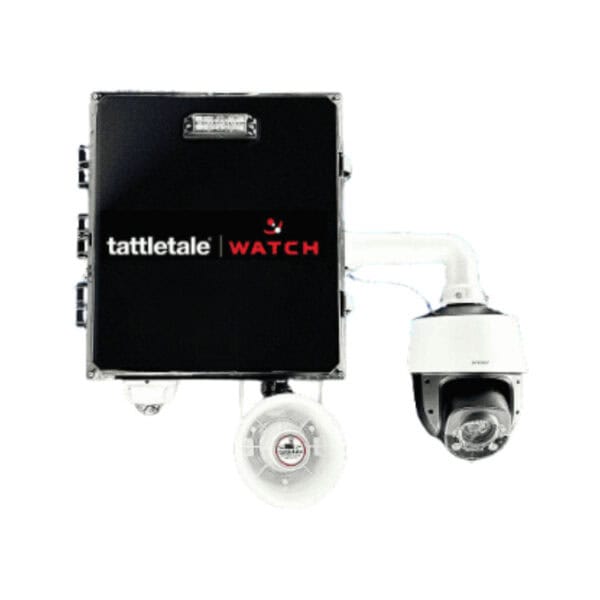
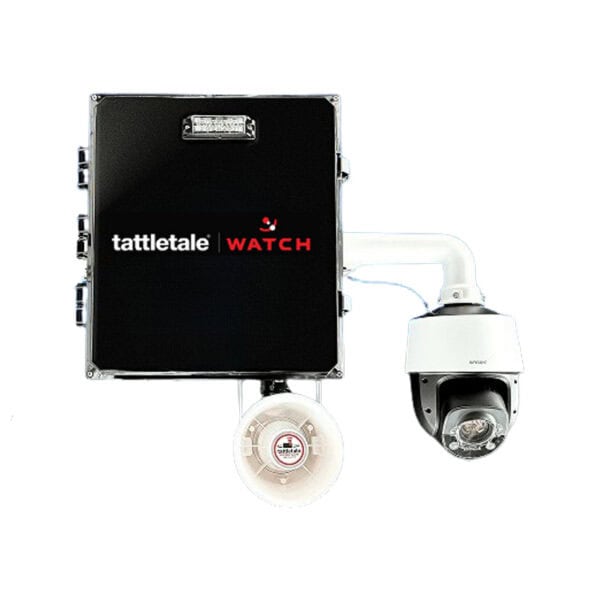
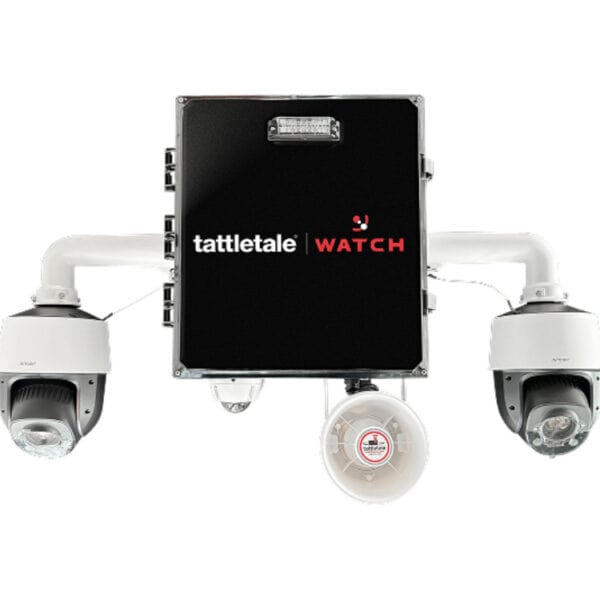
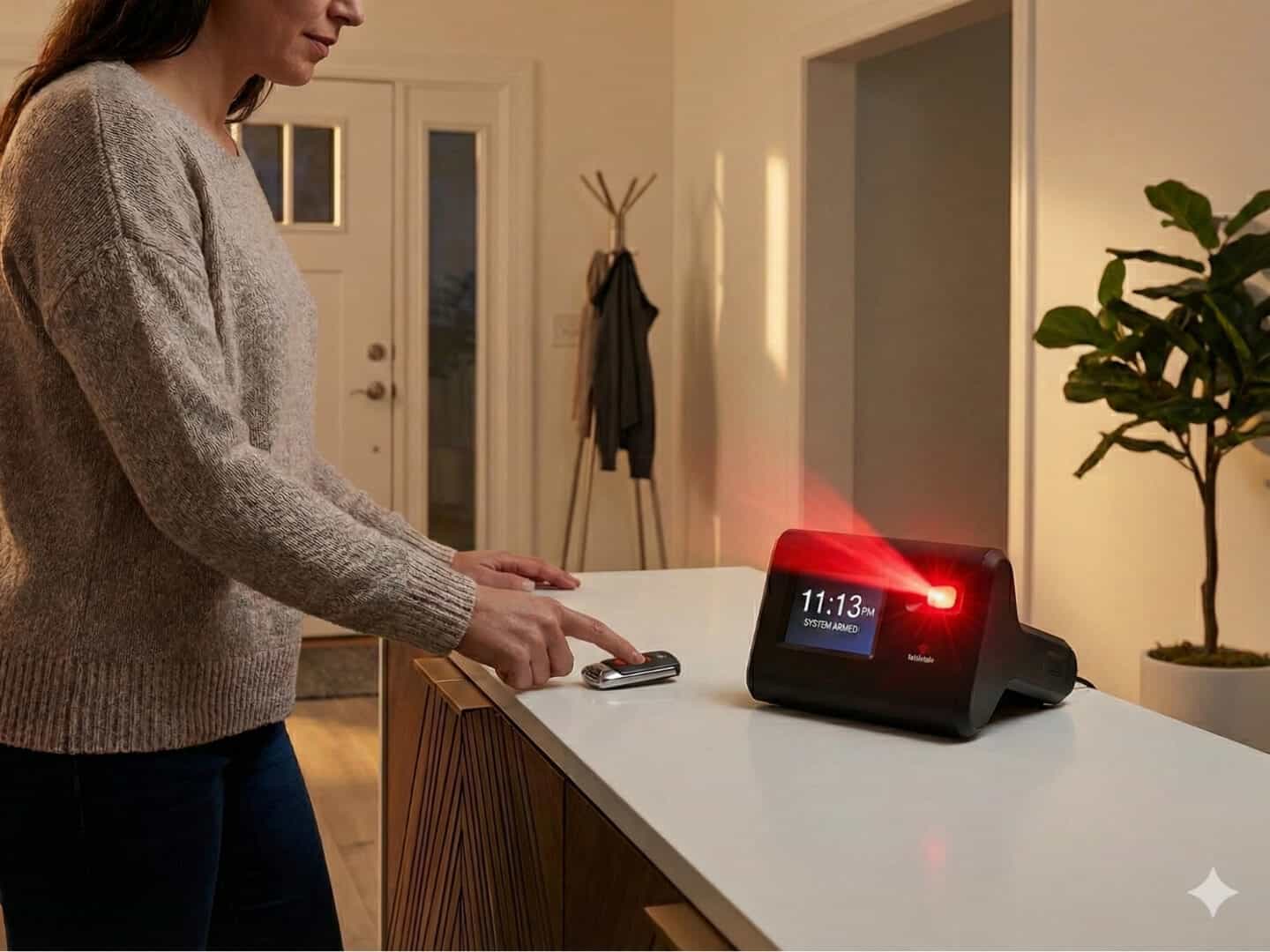
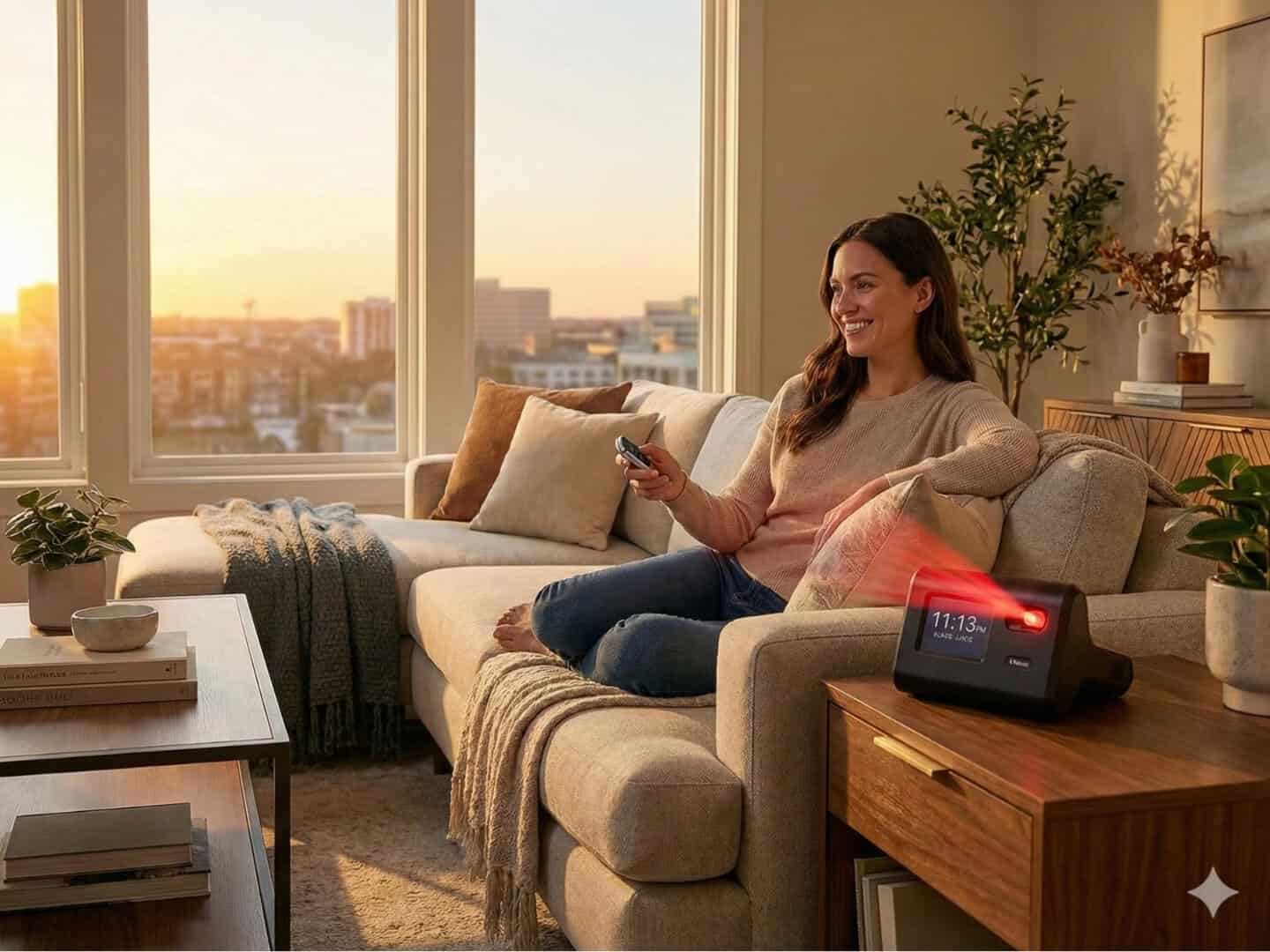
Tattletale’s systems are built on all three of these principles. The alarm signal travels over Verizon’s cellular network. The alert is sent the instant the system is triggered or tampered with. Text notifications require no subscription. And patented Rattlesnake technology means the signal is transmitted the moment the unit is picked up or disturbed while armed. There is no window for an intruder to disable the system before the alert goes out.
The alert has already been sent. That’s the point.
Frequently Asked Questions
What is the average response time for a home security alarm?
According to research cited by RapidSOS, the average total response time from alarm trigger to police arrival exceeds 36 minutes. This includes the time for the monitoring center to verify the alarm, contact the homeowner, confirm the event, notify police, and the travel time for officers to arrive. The best monitoring centers achieve dispatch within 30 to 45 seconds, but police arrival depends on local factors.
How long does the average home burglary take?
The FBI reports that the average residential burglary lasts 8 to 10 minutes. Most intruders are in and out before police arrive, even when alarms are triggered immediately.
What is the “time gap” in home security?
The time gap is the delay between when a security event begins (break-in, fire, intrusion) and when someone who can respond becomes aware of it. This gap is determined by how the system detects the event, how it communicates the alert, and whether any barriers (subscription requirements, WiFi dependency, human verification) delay the notification.
Do police respond to home security alarms?
It depends on the jurisdiction. For more than 40% of U.S. cities with populations over 50,000, police do not guarantee a response to unverified alarm calls. Many departments require video, audio, or human verification before dispatching officers. Verified alarms receive faster, higher-priority responses.
What is the fastest type of home security alert?
Cellular-based alarm systems that transmit signals directly over mobile networks, without requiring WiFi, produce the fastest alerts. Systems that send instant text notifications without a paid subscription remove additional delays. Combined with tamper-proof hardware that transmits an alarm signal the moment the unit is disturbed, the total time from event to notification can be measured in seconds.
How does a cellular alarm system reduce response time?
Cellular systems bypass the home internet connection entirely. When the alarm triggers, the signal travels over the mobile network to the monitoring center and/or directly to the homeowner’s phone. This eliminates delays caused by WiFi outages, router disruptions, or cable cuts. Cellular signals also support instant text alerts that arrive faster than traditional phone call verification sequences.
Every Second Is a Decision
Security companies spend millions marketing camera resolution, app features, and cloud storage tiers. Those things have value. They help you review footage after an event. They help you identify who was on your porch.
But they don’t change the outcome during the event.
The outcome is determined by the time gap. How many seconds, minutes, or hours pass between when something goes wrong and when someone who can help knows about it.
A shorter gap means a different outcome. Every time.
If you’re evaluating a security system for your home, your business, or your construction site, ask one question before you compare features: How fast does this system close the gap between incident and awareness?
If the answer depends on your WiFi, your phone, your subscription, or someone watching a video feed at the right moment, the gap is longer than you think.
Learn more about tattletale HOME security systems →
Explore tattletale PRO for construction and commercial sites →